Water Damage Restoration Broomfield, CO
24/7 water damage restoration in Broomfield, CO. The restoration team extracts standing water, dries the structure to the IICRC S500 standard and documents every step for your insurance claim.
(888) 532-8620Tap to start the Broomfield dry-out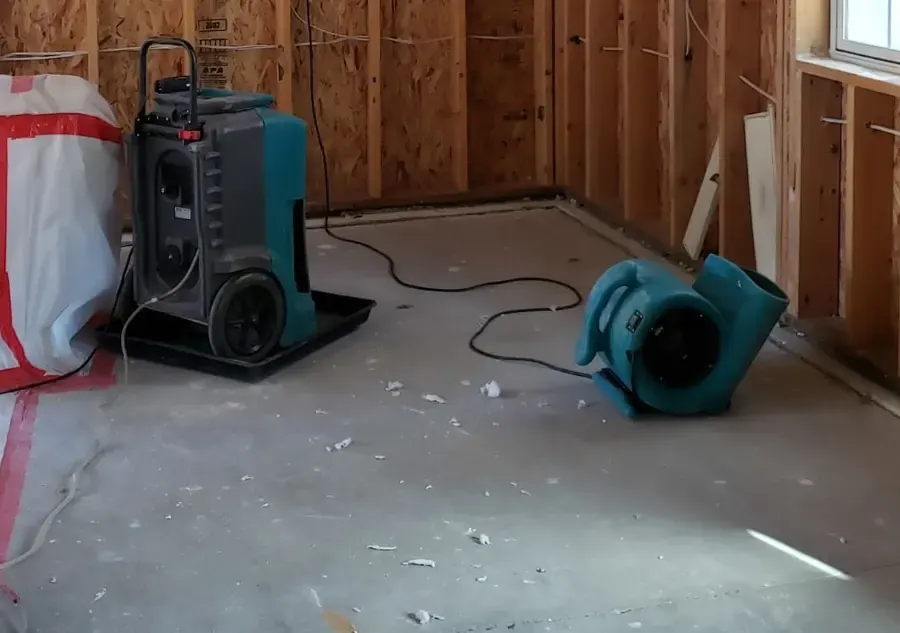
What to do while the water is still moving
Mold can start within 24 to 48 hours on wet materials, so the first day decides how much gets dried and how much gets replaced.
- 01Shut the main
Close the main shutoff, usually by the water meter in the basement.
- 02Kill wet circuits
Switch off breakers for wet rooms, only if the panel sits in a dry spot.
- 03Photograph first
Take wide and close photos before anything is moved or thrown out.
- 04Lift, then call
Pull rugs and valuables off wet floors, then get extraction started.
Water Damage Restoration Services in Broomfield, CO
Water and sewage losses only, from the first gallon extracted to the last moisture reading.
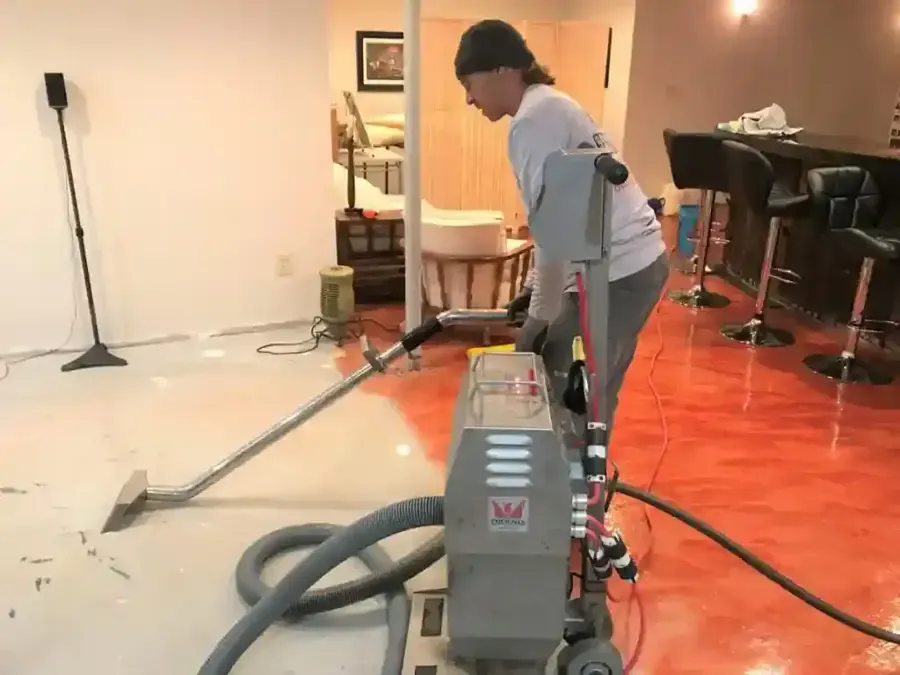 W-01Water ExtractionStanding water pulled out first, before it wicks into drywall and subfloor.View service
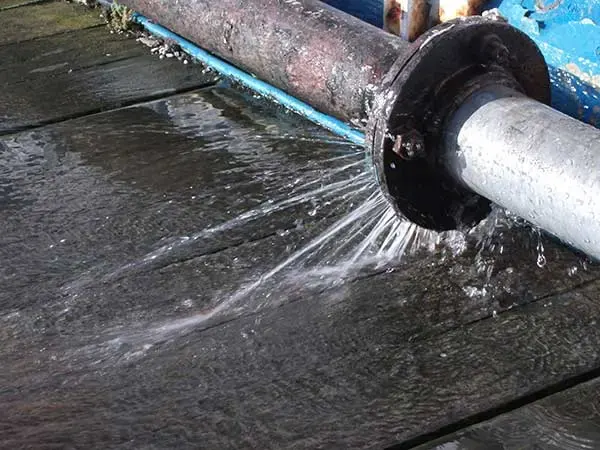 W-02Burst Pipe CleanupSplit supply lines shut down, the flood extracted, every wet cavity mapped.View service
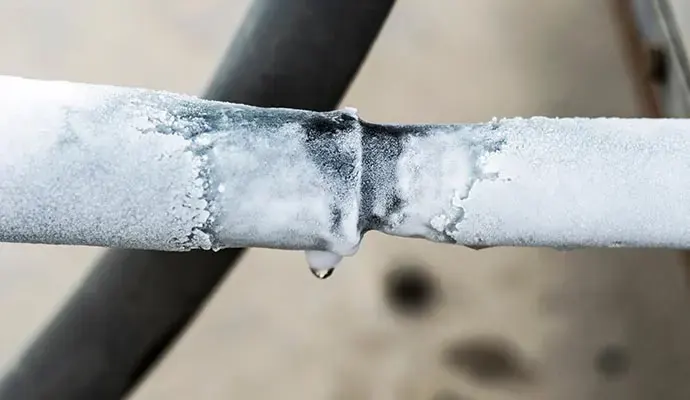 W-03Frozen Pipe Water DamageArctic-front pipe splits in exterior walls, garages and crawl areas, dried out.View service
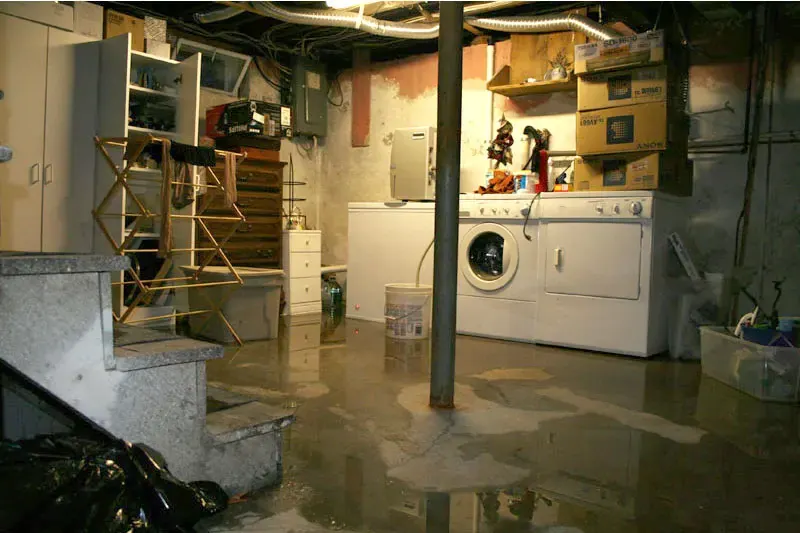 W-04Basement Flooding CleanupFinished and unfinished basements pumped out and dried to a verified reading.View service
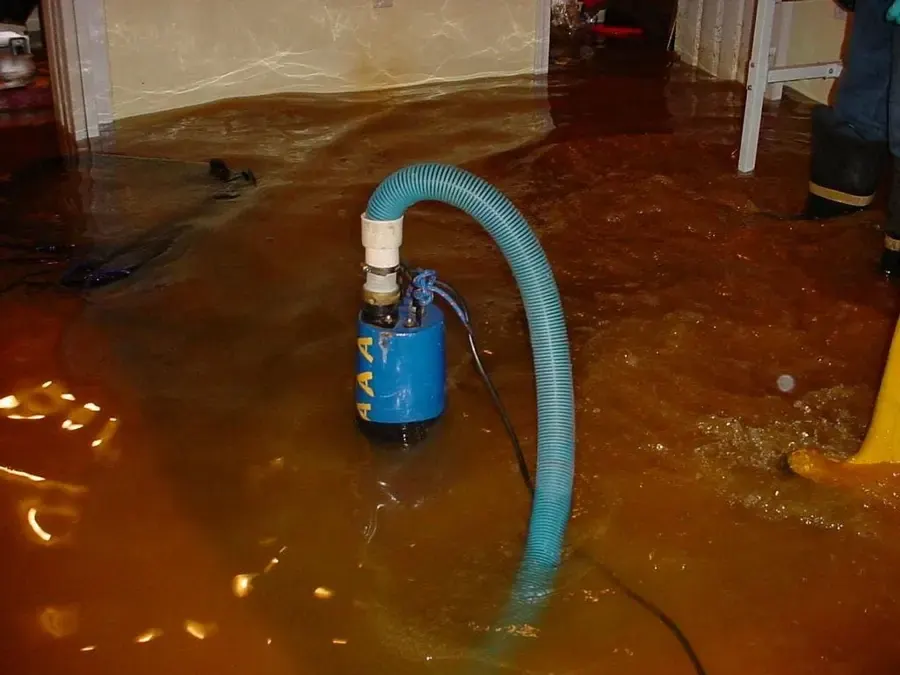 W-05Sump Pump Failure CleanupFailed or overwhelmed pumps, extraction and drying for the flooded level.View service
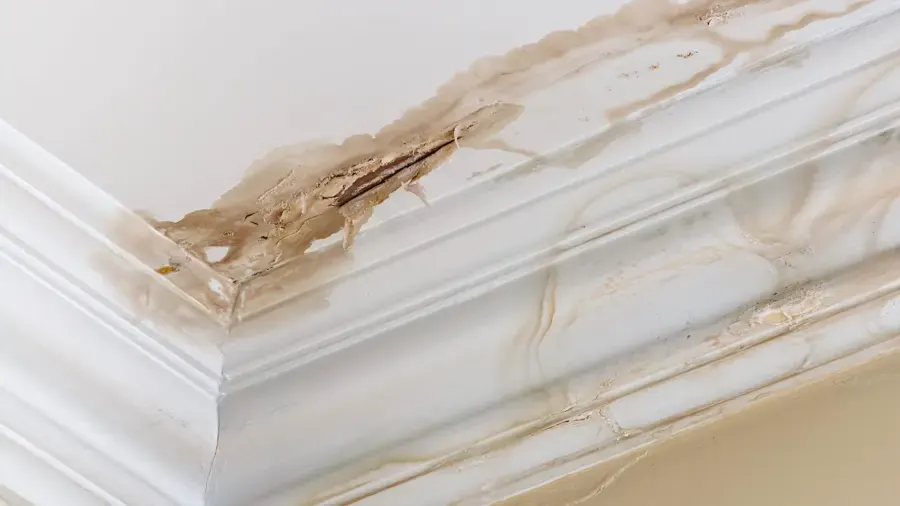 W-06Hail and Roof Leak Water DamageHail-damaged shingles and flashing that let storm water into attics and ceilings.View service
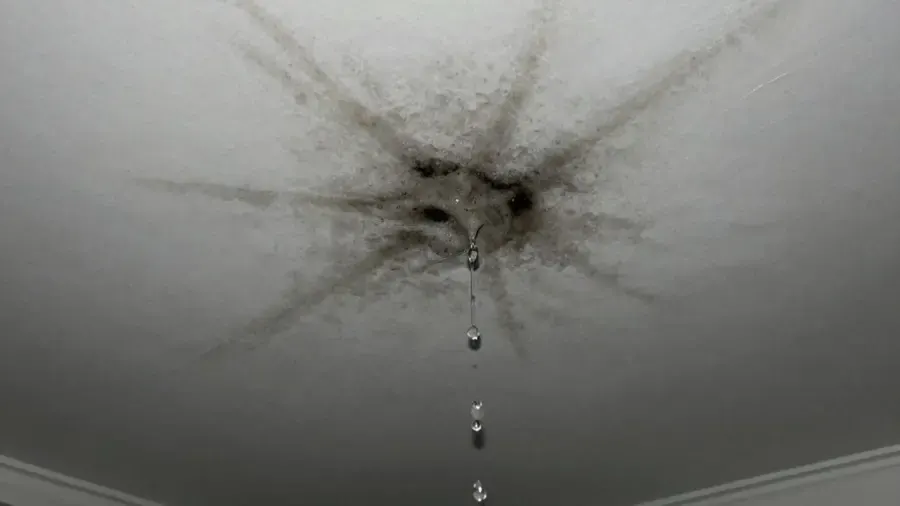 W-07Ceiling Leak Water DamageUpstairs bath, supply and drain leaks traced and dried inside the ceiling.View service
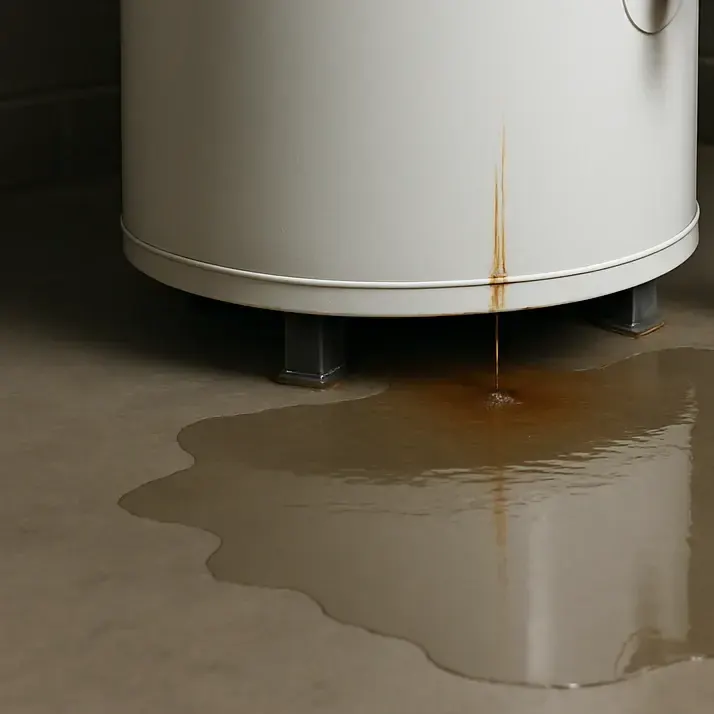 W-08Water Heater Leak CleanupTank ruptures and slow leaks in basement utility rooms, extracted and dried.View service
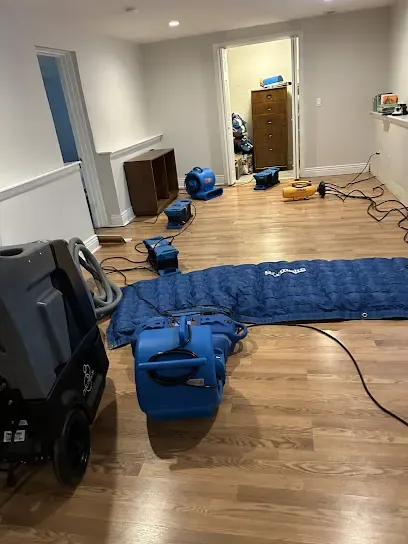 W-09Hardwood Floor Water DamageCupping and swelling caught early, drying mats pull water up out of the boards.View service
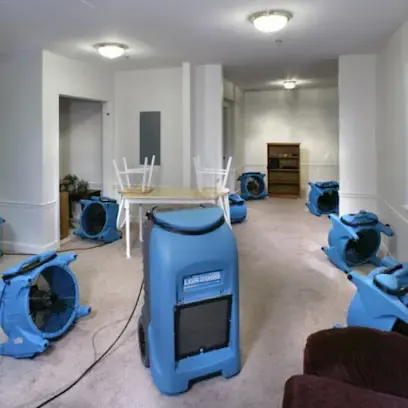 W-10Structural Drying and DehumidificationFraming, subfloor and wall cavities dried with LGR units and air movers.View service
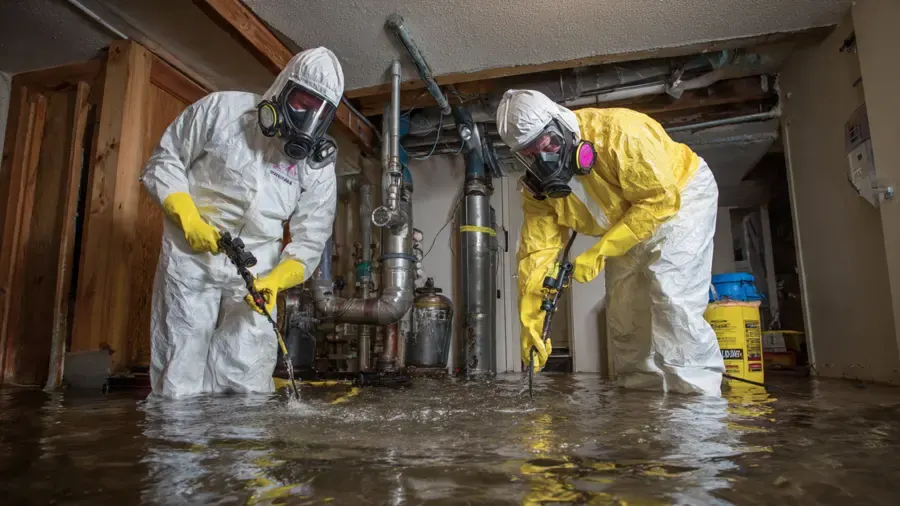 W-11Sewage Backup CleanupCategory 3 backups contained, porous materials removed, surfaces disinfected.View service
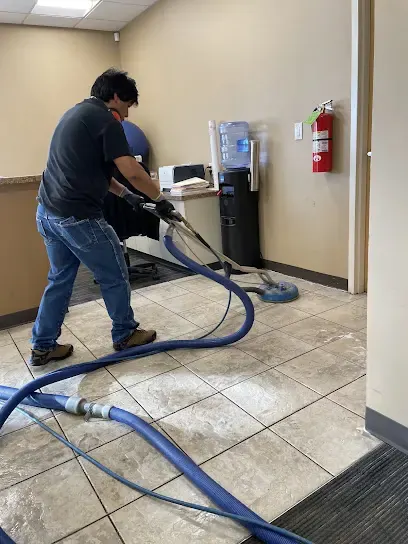 W-12Commercial Water Damage RestorationInterlocken offices, retail and multi-unit buildings dried with minimal downtime.View service
How a water loss is handled in Broomfield
Four stages, measured at each step. Equipment leaves on readings, not on a schedule.
- 01 MAP
Moisture mapping
The tech who does the walkthrough maps wet materials with thermal imaging and pinless meters before any equipment goes down.
Starting reading - 02 EXTRACT
Extraction
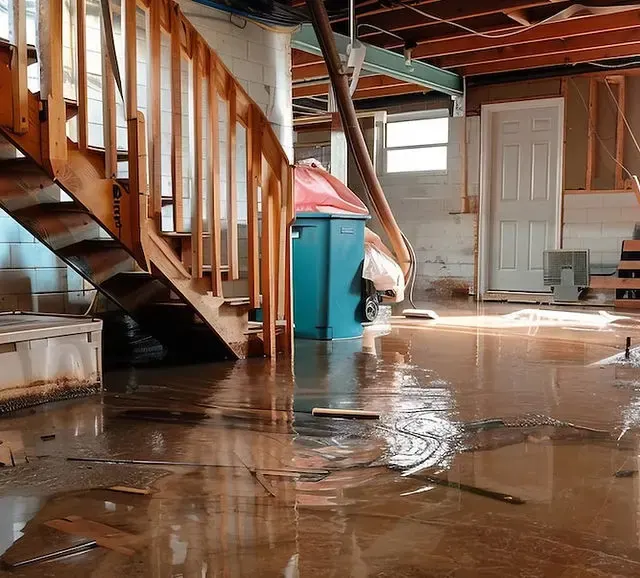
The extraction crew pulls standing water with truck-mounted or portable units so it leaves the building instead of moving to the next room.
After extraction - 03 DRY
Air movers and LGR
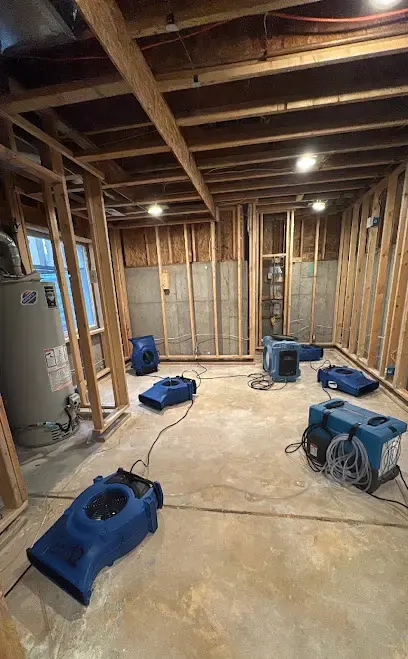
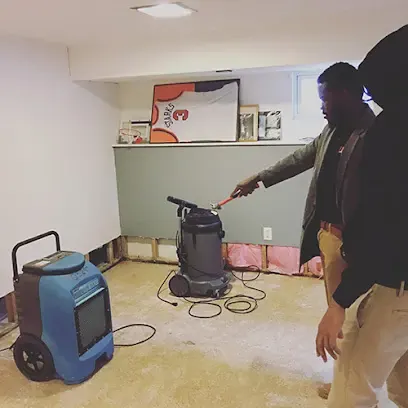
The drying team sets air movers to each room's evaporation load and runs LGR dehumidifiers, with desiccants for dense Class 4 materials.
Mid dry-out - 04 VERIFY
Daily readings
Crews log readings daily and pull equipment only when wet materials sit within 2 to 4 points of a dry reference in the same building.
At the drying goal
Water damage dried to the IICRC S500 standard
Rapid local response
Around-the-clock dispatch across Broomfield, from Broomfield Heights and Lac Amora to the Broadlands and Anthem.
IICRC S500 drying standard
Moisture is mapped first, equipment is sized to the load, and readings continue until the structure is dry.
Claim-ready documentation
Moisture maps, daily psychrometric logs and timestamped photos go into the file an adjuster reviews.
Front Range water experts
Freeze splits, hail leaks, snowmelt and sump failures are everyday Broomfield losses, and the crews plan for them.
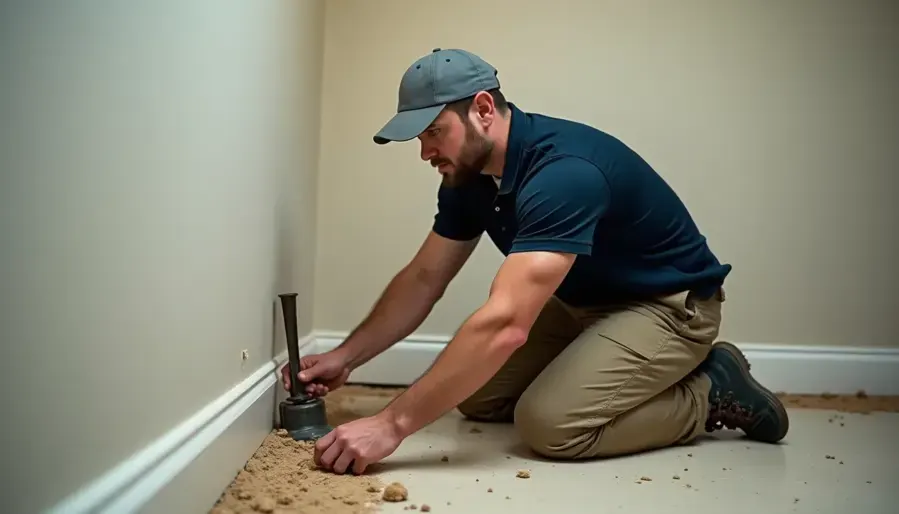
Water damage restoration from US 36 to the Northwest Parkway
Broomfield homes range from mid-century ranches with full basements to two-story builds with finished lower levels, and each one takes water differently. The water damage restoration experts start every job with a moisture map, because the wet area is almost always larger than the visible stain.
From there the extraction crew removes standing water, the drying team sets air movers and LGR dehumidifiers, and daily readings decide when the job is done.
How the Broomfield restoration team worksWhat does water damage restoration cost in Broomfield, CO?
In Broomfield, CO, water damage restoration typically runs $1,000 to $8,000 or more, depending on the water category, the square footage, the material class and how fast drying started.
- Class 1 or 2, one area
- Clean water extraction
- Three to five days of drying
- Several rooms or a lower level
- Pad and flood cuts as needed
- Daily readings and logs
- Sewage or outside water
- Porous materials removed
- Containment and antimicrobial
Try the water damage cost calculator for a planning range. A walkthrough with moisture readings sets the actual scope.
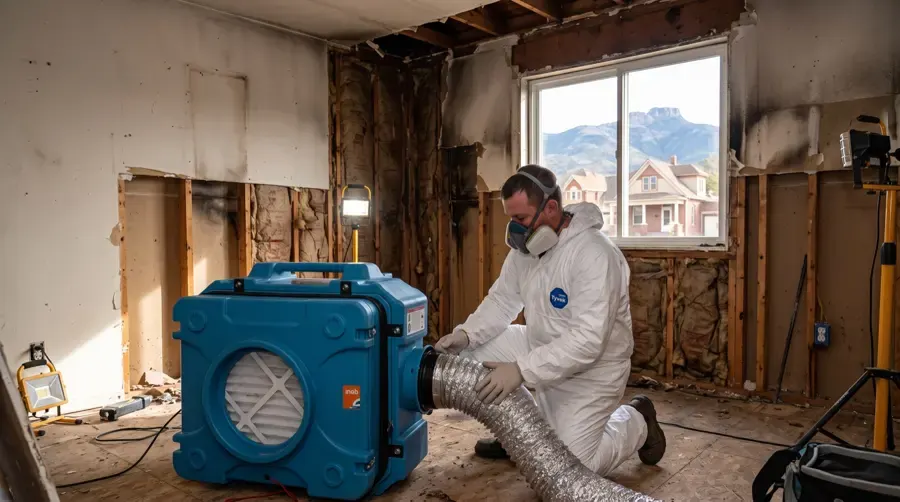
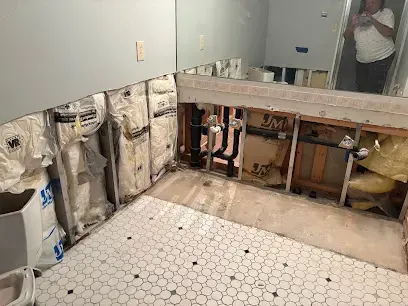
What a water damage dry-out looks like in Broomfield

Documentation for your insurance claim
A water claim is decided on the file, not on the phone call. Sudden and accidental discharge, such as a burst supply line, is treated differently from rising surface water, which falls under flood coverage.
Coverage depends on your policy, so it is worth checking with your own insurer. Ask the restoration contractor who responds what documentation comes with the job.
- A moisture map from the first visit
- Daily psychrometric and moisture logs
- Timestamped photos taken before any demolition
- The category and class of the loss
- A line-item scope in the format adjusters expect
All water damage categories covered in Broomfield, CO
Clean water
Supply lines, burst pipes, water heaters. Usually extracted and dried in place.
Gray water
Washers, dishwashers, sump pits. Soaked pad and cardboard come out.
Black water
Sewage and outside flood water. Porous materials are removed, not dried.
Sewage backup cleanupAreas served across Broomfield and nearby cities
One call reaches Broomfield water damage pros, 24/7
Broomfield Water Damage Restoration covers the City and County of Broomfield plus Westminster, Superior, Louisville, Lafayette, Erie and Thornton.
Broomfield ZIP codes
Nearby ZIP codes
Central and original Broomfield
North Broomfield
Business parks and newer builds
Nearby cities
Water damage in Broomfield, CO: the local risk profile
Broomfield became Colorado's newest county in 2001 and sits at about 5,400 feet between Denver and Boulder. Its water losses follow Front Range weather and the age of the house.
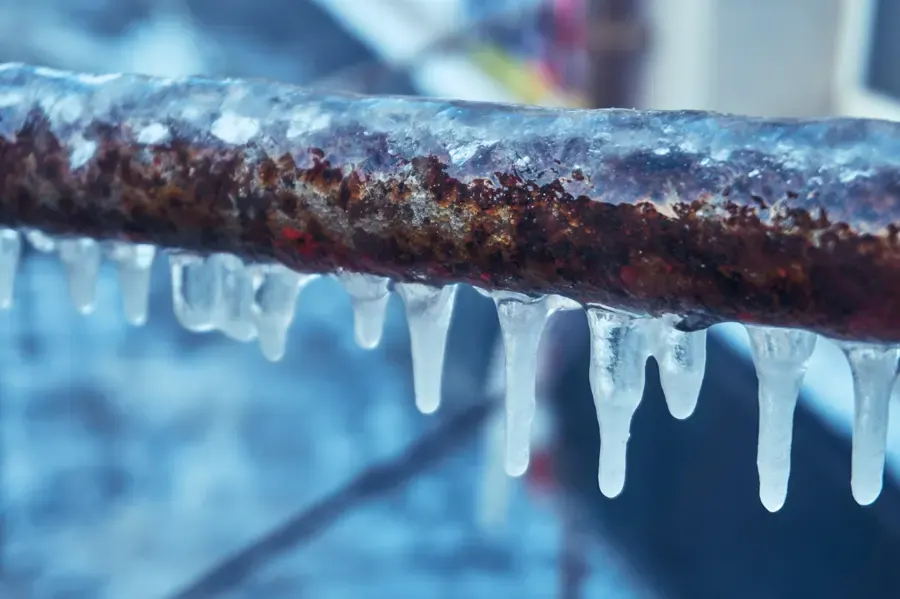
Arctic fronts drop nights below zero. Lines in exterior walls, over garages and in older galvanized plumbing split first.
Late spring and summer storms along US 36 bruise shingles and flashing, and the leak shows up in attic insulation and ceilings.
Heavy, wet March and April snow melts into window wells and against foundations on expansive Front Range clay.
North side basements depend on sump pits, while aging sewer laterals under central Broomfield back up into floor drains.
Broomfield water damage questions
How fast can a crew respond in Broomfield?
Dispatch runs 24/7, and rapid local response is the norm for emergency water losses across Broomfield and the nearby cities. Water keeps spreading until it is extracted, so the first call matters more than the first repair.
Is water damage covered by insurance?
Sudden and accidental water, such as a burst supply line or a failed water heater, is often covered on a Colorado homeowners policy after the deductible. Surface flooding usually needs a separate flood policy, and sewer or sump backup often needs an endorsement. Coverage depends on your policy, so it is worth checking with your own insurer.
What causes most water damage in Broomfield?
Freeze splits during arctic cold snaps, hail and wind that open roofs in storm season, heavy spring snow melting into window wells, sump pump failures in newer basements and sewer backups under older homes.
How long does drying take?
A contained Class 1 or 2 loss usually dries in three to five days. Hardwood, plaster, concrete and cool basements take longer. Equipment comes out when readings reach the drying goal, not on a set date.
What is IICRC S500?
IICRC S500 is the industry standard for professional water damage restoration. It defines the categories of water, the classes of loss and how drying is performed and verified.
What should I do first while water is still spreading?
Shut off the water at the main, cut power to wet rooms only if the panel is dry, stay out of water near outlets, photograph everything, lift rugs and move valuables, then call.
What is the difference between mitigation and repair?
Mitigation stops the damage: extraction, removal of materials that cannot be saved, and structural drying. Repair, or rebuild, replaces drywall, flooring and trim after the structure is dry.
When does drywall have to come out?
When it is soft, swollen or sagging, when insulation behind it is soaked, or when it was touched by Category 3 water. Firm drywall wet with clean water can often be dried in place.
Why is sewage handled differently?
Sewage is Category 3 water the moment it happens. Porous materials it touched are removed, surfaces are cleaned and treated with an EPA-registered antimicrobial, and the area is contained before drying.
How is the cost worked out?
By the water category, the square footage, the material class and how fast drying started. The cost calculator shows a typical range, and a walkthrough with moisture readings sets the real scope.
Water in a Broomfield home or business?
Standing water moves into subfloor, baseboard and drywall within hours. The restoration team extracts it, dries the structure and logs every reading.
(888) 532-8620Call now for emergency water removal in Broomfield