Water Extraction in Broomfield, CO
Standing water keeps moving into drywall, carpet pad and subfloor until someone pulls it out. The Broomfield extraction crew removes it with truck-mounted and portable units, then maps what is still wet.
(888) 532-8620Get standing water out of the Broomfield house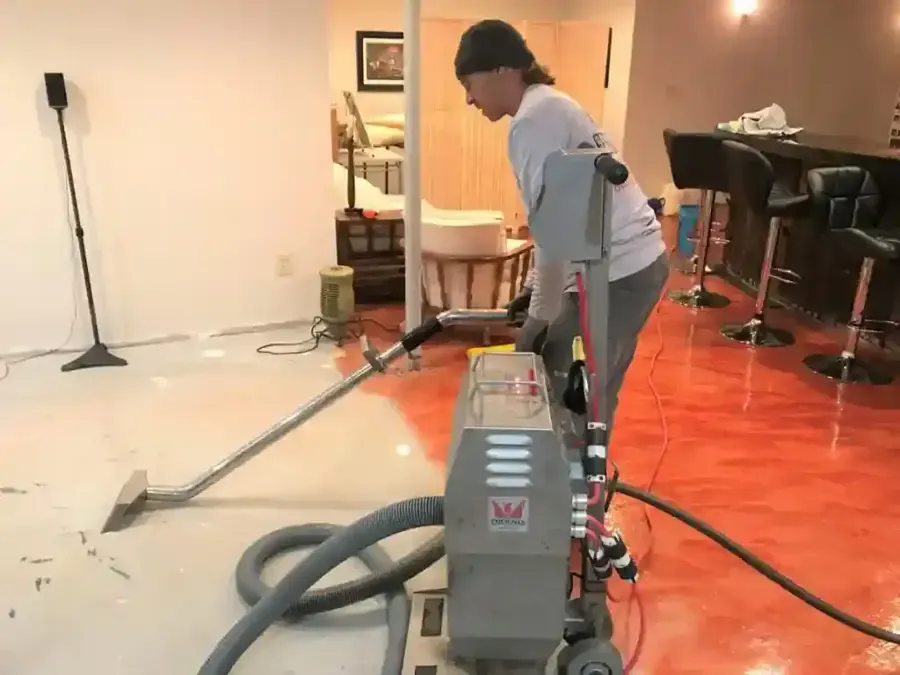
What to do right now about water extraction
- Stop the source
Close the fixture valve or the main shutoff, usually in the basement near the water meter.
- Kill power if the panel is dry
Switch off breakers for wet rooms only if you can reach the panel without standing in water.
- Photograph first
Take wide and close photos of every wet room before anything is moved or thrown out.
- Lift and move
Pull rugs, boxes and furniture legs off wet carpet, then call before the pad saturates.
Why the first hours count
Wet carpet pad, drywall and subfloor keep absorbing as long as water sits on them. Mold growth can start within 24 to 48 hours on wet organic material, so extraction and drying start as early as possible.
How the restoration team handles water extraction
Mapped before it is dried
Readings come first, so the drying plan matches what is actually wet, not what looks wet.
Structural, not surface
Air goes into cavities, subfloor and framing, because a dry-looking wall can still hold water inside.
Logged for the adjuster
Daily moisture logs and timestamped photos build the file an insurance adjuster reviews.
What does water extraction cost in Broomfield, CO?
In Broomfield, CO, water extraction on its own typically runs $300 to $1,500 for a single room and $1,500 to $4,500 when a finished basement is involved, before drying equipment and any material removal.
- Clean water, one level
- Portable or truck-mount pass
- Carpet pad check
- Several rooms or a full lower level
- Pad removal if saturated
- Moisture map for drying
- Category 2 or 3 source
- Porous materials removed
- Antimicrobial and containment
Ranges move with the water category, the square footage, the material class and how fast drying started. Run the numbers in the water damage cost calculator before the walkthrough.
The water extraction dry-out, step by step
The same four stages run on every loss in Broomfield; the equipment count changes with the class of the loss.
- 01 MAP
Moisture mapping
The tech who does the walkthrough maps wet materials with thermal imaging and pinless meters before any equipment goes down.
Starting reading - 02 EXTRACT
Extraction
The extraction crew pulls standing water with truck-mounted or portable units so it leaves the building instead of moving to the next room.
After extraction - 03 DRY
Air movers and LGR
The drying team sets air movers to each room's evaporation load and runs LGR dehumidifiers, with desiccants for dense Class 4 materials.
Mid dry-out - 04 VERIFY
Daily readings
Crews log readings daily and pull equipment only when wet materials sit within 2 to 4 points of a dry reference in the same building.
At the drying goal
Extraction is the cheapest part of a water loss and the part that saves the most. Every gallon the extraction crew pulls out as liquid is a gallon the dehumidifiers do not have to pull out of the air later, which is why the first visit in a Broomfield basement is about removal, not fans.
Why extraction comes before drying
Air movers only evaporate water. They cannot move a puddle, and a soaked carpet pad can hold several times its weight in water. The crew clears liquid first, then sets drying equipment to what is left.
- Truck-mounted units pull large volumes and send the water outside, not into a shop vac tank.
- Weighted extraction wands press water out of carpet and pad in place.
- Portable extractors reach upper floors and condos where a hose run from the street is not practical.
What the extraction crew checks while working
The tech who does the walkthrough uses thermal imaging and pinless meters to follow the water past what the eye can see: under cabinets, behind baseboard and into the bottom plate of the wall. That reading decides whether carpet pad stays or goes and whether drywall needs a flood cut. Water that sat long enough to turn gray, or water from a drain line, is handled as Category 2 or 3. Details on how that changes the job are on the sewage backup cleanup page.
Extraction in Broomfield homes
Most Broomfield houses have basements, from the mid-century ranches around Broomfield Heights to the finished lower levels in the Broadlands and Anthem. Water finds the lowest floor, so extraction usually starts downstairs even when the leak started in a kitchen or laundry room above. After extraction, the drying team moves to structural drying and daily readings.
Water damage help across Broomfield
The Broomfield restoration crew covers every Broomfield ZIP, 80020, 80021, 80023, 80038, from Broomfield Heights and Lac Amora to the Broadlands, Anthem and Interlocken.
Neighboring Westminster, Superior, Louisville, Lafayette, Erie, Thornton are covered too.
See every Broomfield area coveredRelated water damage services in Broomfield
Water Extraction questions in Broomfield
How much water can a wet vac actually remove?
A shop vac helps with a small puddle, but it cannot press water out of carpet pad or pull water from under flooring. Truck-mounted and weighted extraction tools remove far more, which shortens the drying time that follows.
Does carpet have to be thrown out after extraction?
Not always. Carpet soaked with clean water can often be extracted and dried in place. The pad usually absorbs more and is cheaper to replace, so crews often remove pad and keep the carpet. Gray or black water changes that: porous materials touched by Category 3 water get removed.
Can water be extracted from under laminate or vinyl plank?
Partly. Floating floors trap water underneath. Crews check with meters, and many plank floors have to be lifted so the subfloor can dry.
What happens right after extraction?
The drying team sets air movers and LGR dehumidifiers to the evaporation load of each room and records readings daily until the drying goal is met.
Is extraction covered by homeowners insurance?
Extraction after a sudden, accidental discharge such as a burst supply line is often part of a covered claim. Coverage depends on your policy, so it is worth checking with your own insurer.
Why does the tech measure areas that look dry?
Water wicks up drywall and travels under baseboard. Meters and thermal imaging find the edge of the wet area so no pocket is missed.
Standing water in a Broomfield home?
Every hour it sits, more of it moves into walls and subfloor. The extraction crew pulls it out and the drying team takes over from there.
(888) 532-8620Call for emergency water extraction in Broomfield