Sump Pump Failure Cleanup in Broomfield, CO
When the pump quits during a storm, groundwater rises out of the pit and across the basement floor. The extraction crew clears it, and the drying team treats it as the contaminated water it is.
(888) 532-8620Sump pump quit? Get the basement pumped out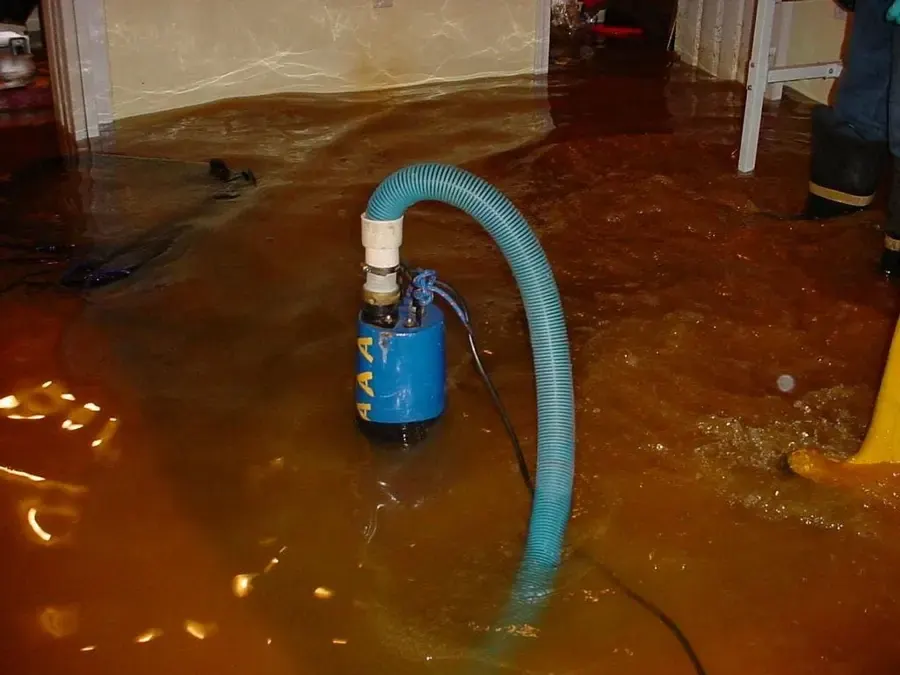
What to do right now about sump pump failure cleanup
- Check power and the float
Reset the breaker or GFCI, and lift the float gently to see if the pump starts.
- Keep people out of deep water
Stay off a wet floor if cords or outlets are under water.
- Move items up
Carry boxes and electronics upstairs and photograph what got wet.
- Clear the discharge
Make sure the outside discharge line is not frozen, buried in snow or blocked.
Pit water is not clean water
Groundwater picks up soil, fertilizer and debris on the way to the pit. That is why crews treat it as Category 2 and remove porous materials it soaked rather than drying them in place.
How the restoration team handles sump pump failure cleanup
Mapped before it is dried
Readings come first, so the drying plan matches what is actually wet, not what looks wet.
Structural, not surface
Air goes into cavities, subfloor and framing, because a dry-looking wall can still hold water inside.
Logged for the adjuster
Daily moisture logs and timestamped photos build the file an insurance adjuster reviews.
What does sump pump failure cleanup cost in Broomfield, CO?
In Broomfield, CO, sump pump failure cleanup typically runs $1,500 to $6,500, depending on how high the water rose, how much of the basement is finished and how long the water sat.
- Water near the pit
- Extraction and cleaning
- Dehumidification
- Carpet pad removed
- Drywall flood cuts
- Antimicrobial treatment
- Water sat for days
- Framing and flooring out
- Extended drying
Ranges move with the water category, the square footage, the material class and how fast drying started. Run the numbers in the water damage cost calculator before the walkthrough.
The sump pump failure cleanup dry-out, step by step
The same four stages run on every loss in Broomfield; the equipment count changes with the class of the loss.
- 01 MAP
Moisture mapping
The tech who does the walkthrough maps wet materials with thermal imaging and pinless meters before any equipment goes down.
Starting reading - 02 EXTRACT
Extraction
The extraction crew pulls standing water with truck-mounted or portable units so it leaves the building instead of moving to the next room.
After extraction - 03 DRY
Air movers and LGR
The drying team sets air movers to each room's evaporation load and runs LGR dehumidifiers, with desiccants for dense Class 4 materials.
Mid dry-out - 04 VERIFY
Daily readings
Crews log readings daily and pull equipment only when wet materials sit within 2 to 4 points of a dry reference in the same building.
At the drying goal
Many newer Broomfield homes, especially across the Broadlands, Anthem and Wildgrass, were built with a perimeter drain that feeds a sump pit. The pump only matters on wet days, which is exactly when it is most likely to be overwhelmed or lose power.
Why sump pumps fail
- Power outages during thunderstorms, with no battery backup.
- A stuck or tangled float switch that never tells the pump to start.
- A frozen or clogged discharge line that sends water back into the pit.
- An undersized or worn pump that cannot keep up with a heavy snowmelt.
How pit water is handled
Water from a sump pit has crossed soil and gravel, so crews usually treat it as Category 2. Carpet pad and cardboard it touched come out. Hard surfaces are cleaned, and an EPA-registered antimicrobial goes down after extraction where the water category calls for it. Then the drying team runs dehumidifiers until the slab, walls and framing reach the drying goal. The full basement process is on the basement flooding cleanup page.
Getting the pit working again
The restoration team can set a temporary pump to keep the pit down while drying runs, but replacing the pump is plumber work. Ask for photos of the failed pump and float; they help explain the cause of loss to the insurer. If the backup came through a floor drain instead of the pit, that is a sewage backup and is handled differently.
Water that backs up from a sump often needs a specific endorsement on a homeowners policy. General flood coverage information is at floodsmart.gov, and storm preparation is covered at ready.gov.
Water damage help across Broomfield
The Broomfield restoration crew covers every Broomfield ZIP, 80020, 80021, 80023, 80038, from Broomfield Heights and Lac Amora to the Broadlands, Anthem and Interlocken.
Neighboring Westminster, Superior, Louisville, Lafayette, Erie, Thornton are covered too.
See every Broomfield area coveredRelated water damage services in Broomfield
Sump Pump Failure Cleanup questions in Broomfield
How do I know if my sump pump failed?
Water around the pit, a pump that hums without running, or a float that does not move are the usual signs. A high-water alarm, if installed, sounds first.
Is sump pump water dangerous?
It is usually Category 2, meaning it can carry contaminants. Wear gloves, keep children and pets out, and avoid contact with open cuts.
Can the restoration team replace the pump?
Pump replacement is plumbing work. The restoration team can run a temporary pump while drying the basement.
Does insurance cover a sump pump backup?
Many policies cover it only with a water backup endorsement. Coverage depends on your policy, so it is worth checking with your own insurer.
Why does the carpet pad have to go?
Pad soaks up far more water than carpet and holds contaminants from groundwater. Replacing it is cheaper and safer than trying to clean it.
How can I avoid the next failure?
A battery backup pump, a high-water alarm, a clear discharge line and an annual float test cover the common failure points.
Sump pump failed in Broomfield?
Pit water spreads under walls and carpet quickly. The extraction crew clears it and the drying team dries the level to the goal.
(888) 532-8620Call now for sump pump flood cleanup